1. When should my child first see a dentist?
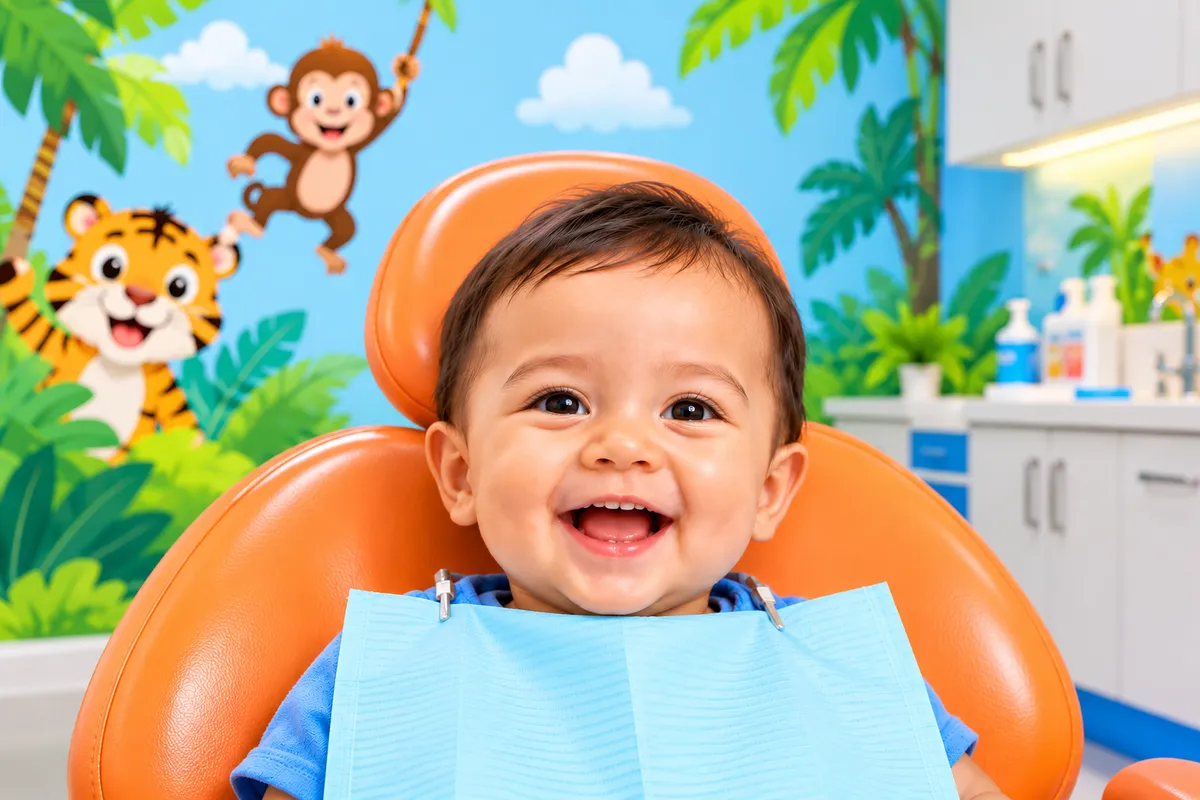
Your child should have a dental home established by age 1, ideally when the first tooth appears and no later than the first birthday. Early visits help parents learn how to prevent cavities and allow the dentist to monitor growth and development.
2. Why are baby teeth important if they eventually fall out?
Baby teeth help children chew, speak, smile, and maintain space for permanent teeth. Keeping them healthy also helps reduce pain, infection, and problems that could affect developing permanent teeth.
3. How often should my child visit the dentist?
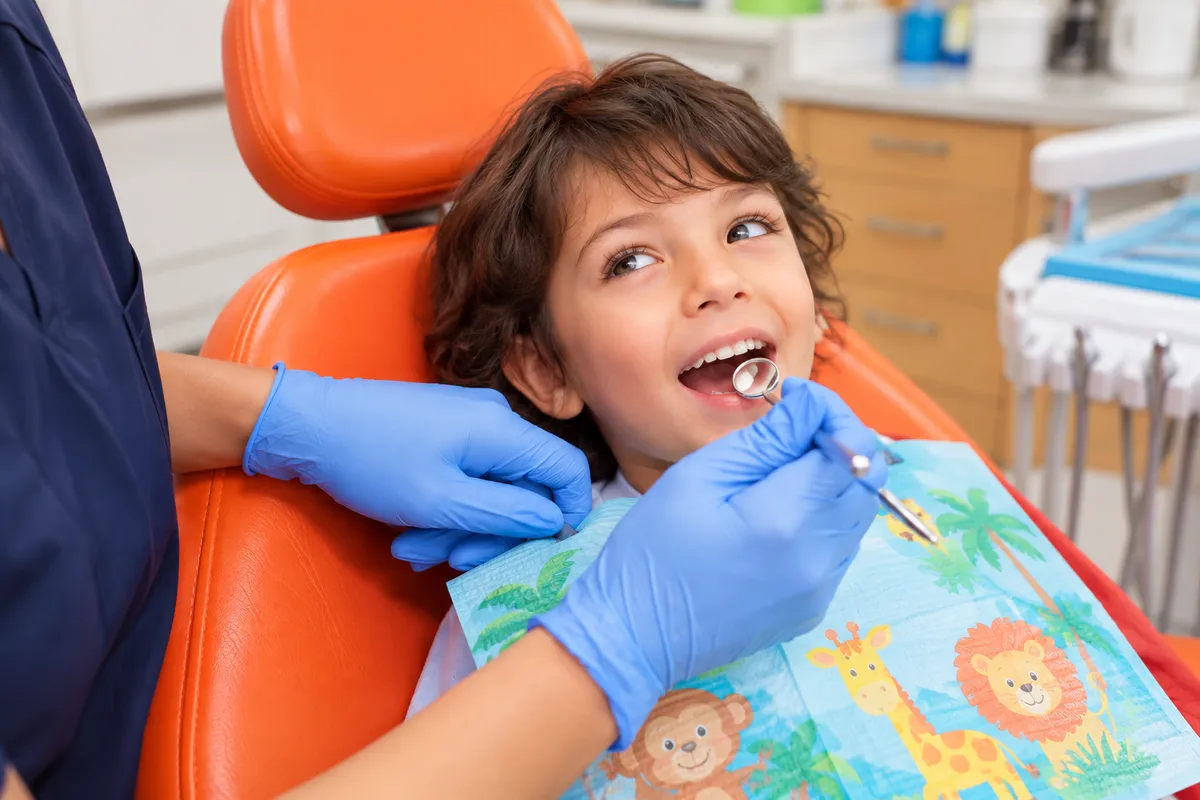
The schedule should be based on your child’s individual cavity risk and oral health needs. Many children are seen about every six months, but children at higher risk for cavities may need more frequent visits.
4. When should I start brushing my child’s teeth?
Begin brushing as soon as the first tooth erupts. Brush twice a day using a small amount of fluoride toothpaste appropriate for your child’s age.

5. What kind of toothbrush should my child use?
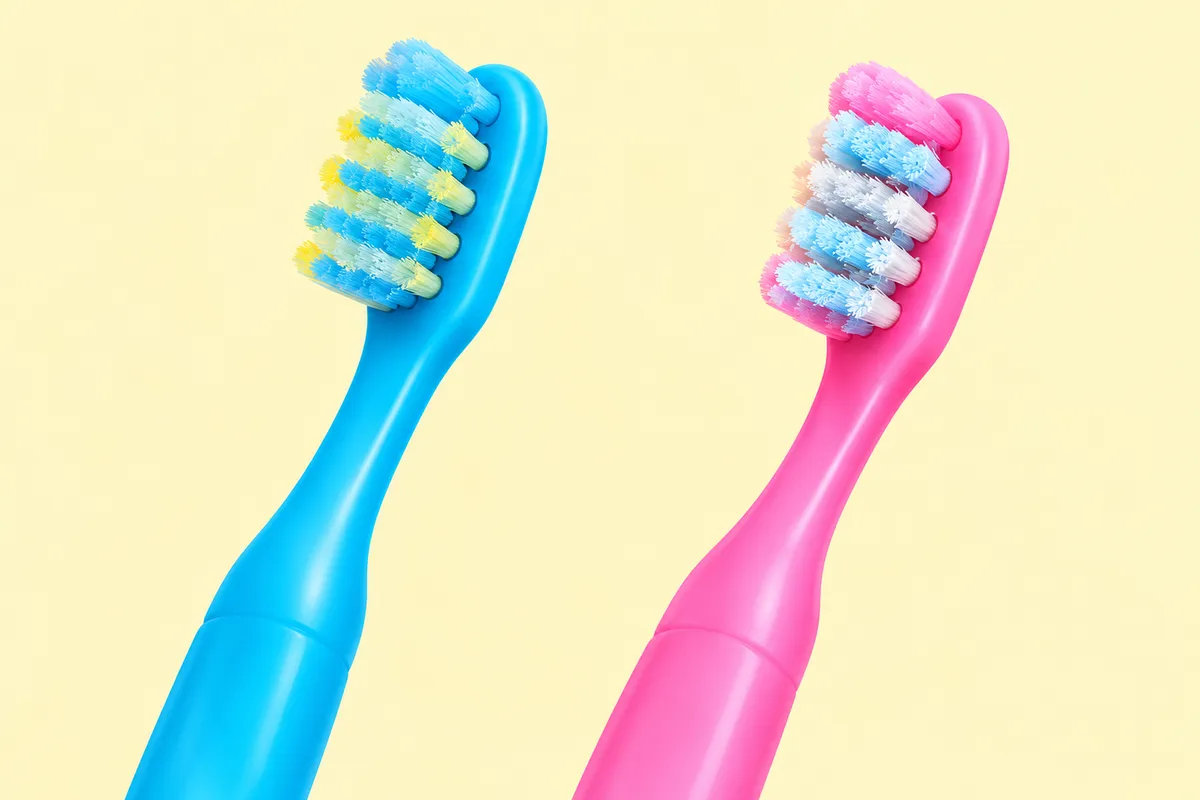
Choose an age-appropriate toothbrush with soft bristles and a small head that fits comfortably in your child’s mouth. Young children usually need help from an adult to brush effectively.
6. How much toothpaste should my child use?
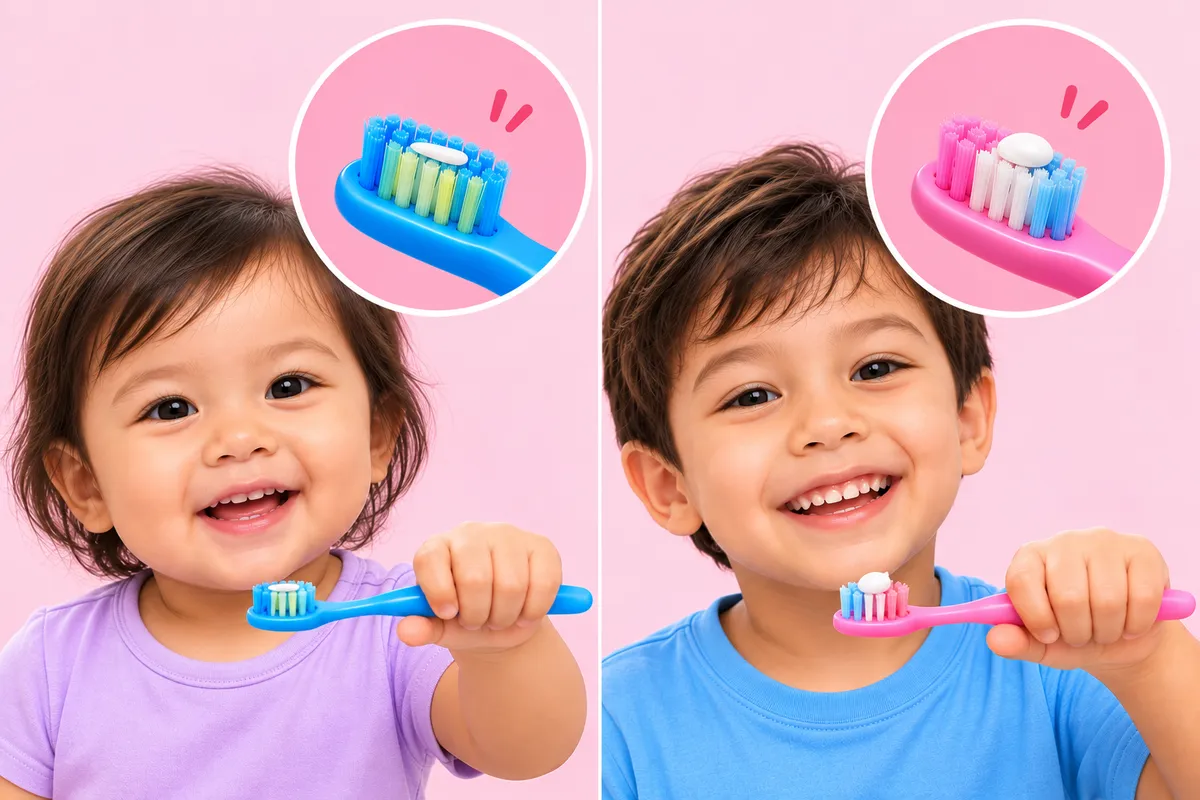
For children younger than 3, use no more than a smear or rice-grain-sized amount of fluoride toothpaste. For children ages 3–6, use a pea-sized amount and supervise brushing to minimize swallowing.
7. When should my child start flossing?
Start flossing when neighboring teeth touch closely enough that a toothbrush cannot clean between them. Young children usually need an adult’s help until they have enough hand coordination to floss properly.

8. Is fluoride safe for children?
Yes, fluoride is considered safe and effective when used in recommended amounts. Fluoride strengthens tooth enamel and helps prevent cavities; excessive swallowing during early tooth development should be avoided.
9. Are dental X-rays safe for children?
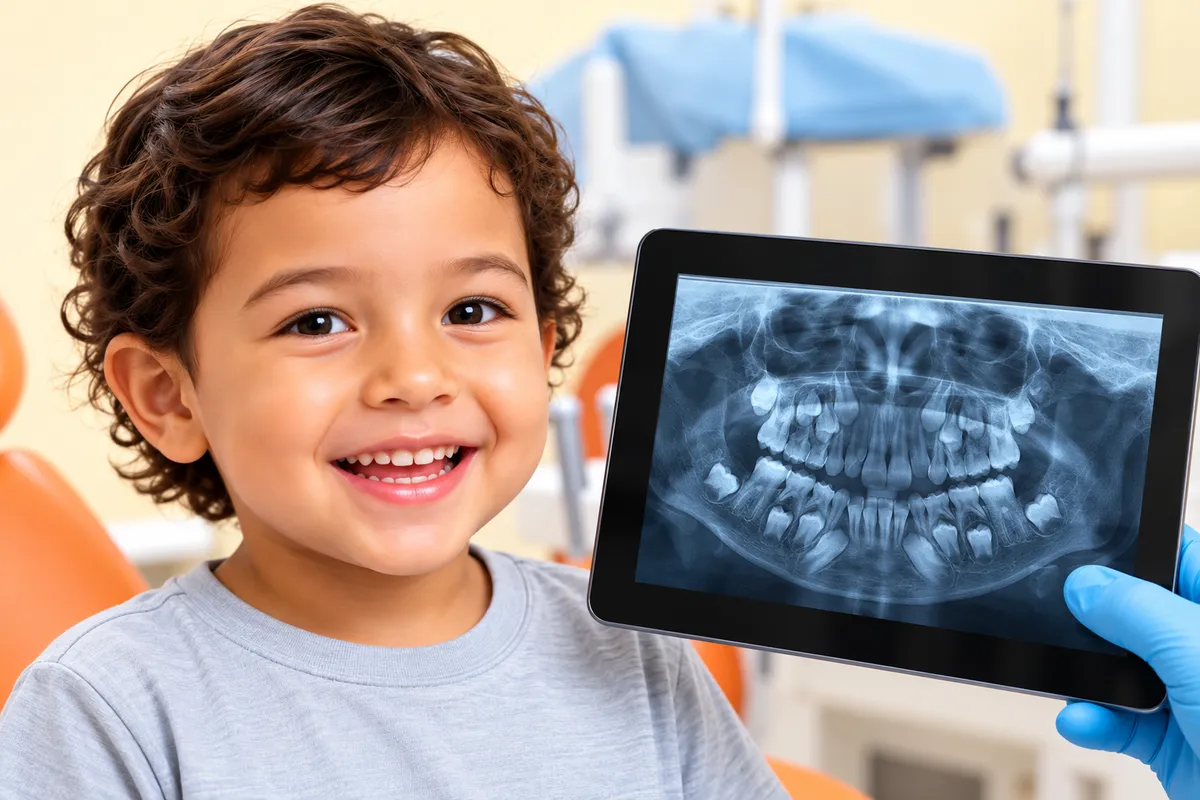
Dental X-rays use low levels of radiation and should be taken only when clinically necessary, based on the child’s history, examination, age, development, and cavity risk. They are not automatically required at every dental visit.
Explore More Kids' Dental Questions