1. What causes cavities in children?
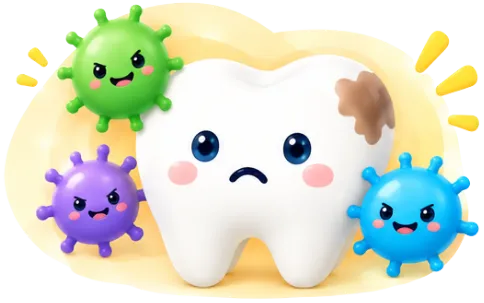
Cavities develop when bacteria in the mouth use sugars from food and drinks to produce acids that weaken tooth enamel. Frequent sugary snacks or drinks, poor brushing and flossing, and inadequate fluoride exposure can increase a child’s risk of cavities.
2. Can children get cavities even if they brush every day?
Yes. Daily brushing greatly helps prevent cavities, but other factors also matter. Brushing technique, flossing, diet, fluoride exposure, and how often a child snacks or drinks sugary beverages can all affect cavity risk. Regular dental checkups can help find areas that may be difficult to keep clean.
3. What are dental sealants?
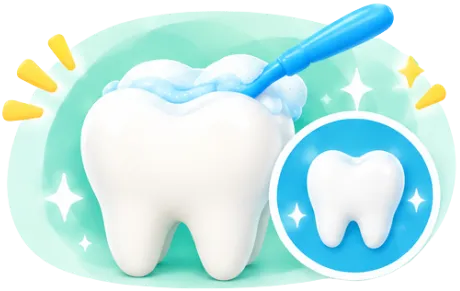
Dental sealants are thin protective coatings placed on the chewing surfaces of back teeth. They cover the deep grooves where food and bacteria can collect, helping protect these areas from cavities. Sealants are quick to apply and do not require drilling.
4. What are signs that my child may have a cavity?
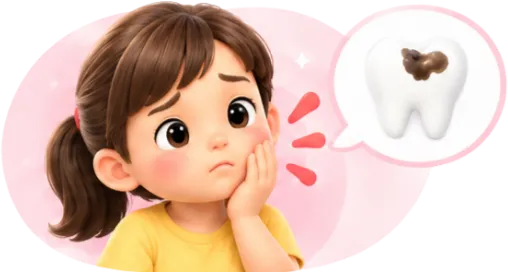
Possible signs include tooth sensitivity, pain when eating or drinking, toothache, or visible white, brown, or dark spots on a tooth. However, early cavities may not cause any symptoms, which is why regular dental checkups are important.
5. Can a cavity go away on its own?
An early area of enamel weakening may sometimes be stopped or reversed with fluoride and improved oral care. However, once a true hole has formed in the tooth, it cannot heal on its own and usually needs dental treatment. A dentist can determine how advanced the decay is.
6. Why does my child have bad breath?
Bad breath can be caused by bacteria and food left on the teeth or tongue, dry mouth, cavities, gum problems, or other conditions. Regular brushing, flossing, tongue cleaning, and drinking water can help. If bad breath continues despite good oral hygiene, a dental checkup can help identify the cause.

Explore More Kids' Dental Questions